Warning Signs Ignored Before Violent Attack on Michigan Synagogue
As a violent incident unfolded outside Temple Israel in West Bloomfield, Michigan, new details reveal that the warning signs may have come just moments too late. According to records, the ex-wife of 41-year-old Ayman Mohamad Ghazali called 911 shortly after the attack began, urgently telling dispatchers that he was “not stable” and expressing fear for his mental state.
Authorities say Ghazali drove his car into the synagogue around 12:19 p.m. on Thursday. After crashing into the building, he exited the vehicle armed with a rifle. Armed security at the synagogue exchanged gunfire with him. The FBI later reported that Ghazali ultimately suffered a self-inflicted gunshot wound after the confrontation.
Just two minutes after the crash, at approximately 12:21 p.m., Ghazali’s ex-wife contacted emergency services. She told the operator that his “voice is not stable,” explaining that she had just been on the phone with him. “I just want to make sure he’s OK,” she said, underscoring her concern as events escalated.
According to the records, she described her former husband as “mentally unstable,” saying he had been deeply shaken by the deaths of family members overseas amid ongoing war. She told dispatchers that two of his brothers and their children had reportedly been killed in an Israeli airstrike, and that the loss had left him distraught. He had also asked her to send money overseas before abruptly ending their call.
“I feel like he’s really upset,” she told the 911 operator.
International Tensions and Alleged Family Ties
In the days following the attack, the Israeli Defense Forces stated that one of Ghazali’s brothers, Ibrahim Muhammad Ghazali, had been a Hezbollah commander involved in weapons operations. Israeli officials said Ibrahim Ghazali had been killed in a recent airstrike targeting a Hezbollah military structure.
Federal authorities in the United States acknowledged they are aware of reports regarding alleged family connections to Hezbollah. At the same time, officials characterized the Michigan incident as a “targeted act of violence” and continued to investigate the circumstances surrounding it.
The tragedy underscores how global conflicts can echo far beyond national borders, spilling into communities already grappling with rising hate crimes and political polarization.
Fireworks Purchases Raise Questions
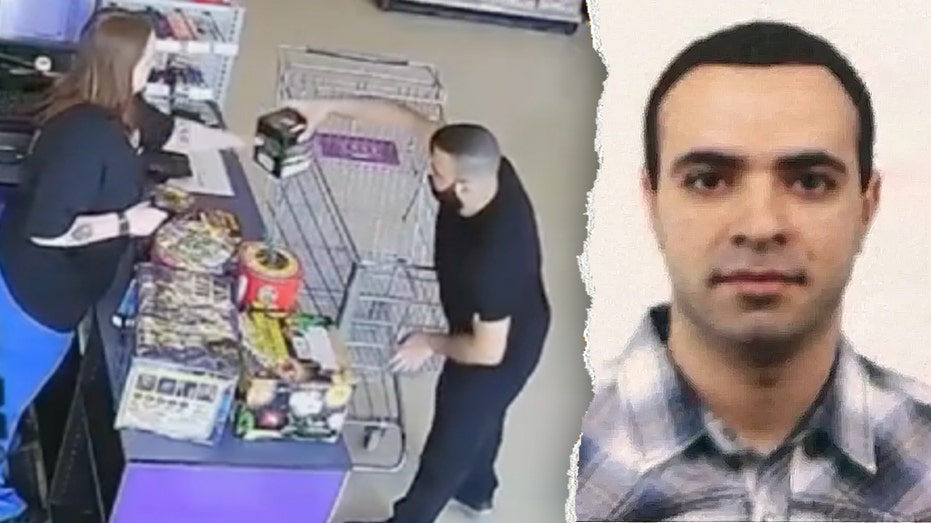
Investigators also confirmed that Ghazali had purchased more than $2,200 worth of fireworks from a store in Livonia, Michigan, on March 10, just days before the attack. According to the company, the purchases were made in two separate transactions totaling $2,250.96. Items reportedly included aerial repeaters, firecrackers, and fountain-style fireworks.
A company executive said there was nothing outwardly suspicious about the transactions at the time and described Ghazali as appearing to be “in a good mood.”
A Community Shaken — And a Broader Reckoning
The assault on a house of worship has left the local Jewish community reeling. Synagogues, mosques, churches, and other religious spaces should be sanctuaries — not sites of violence fueled by extremism, trauma, or unaddressed mental health crises.
This attack also highlights deeper systemic failures:
- The urgent need for accessible, community-based mental health care before crises spiral into violence.
- The importance of protecting religious minorities from targeted attacks amid rising antisemitism and Islamophobia alike.
- The responsibility of law enforcement and policymakers to address both domestic extremism and the ripple effects of international conflicts.
Communities deserve safety rooted in justice — not just armed response after tragedy strikes.
As federal investigators continue their probe, residents of West Bloomfield are left grappling with grief, fear, and unanswered questions. Preventing future violence will require more than reactive security measures; it demands sustained investment in mental health resources, anti-hate initiatives, and policies that prioritize human dignity over division.
In a moment when global conflicts and domestic tensions collide, the challenge is clear: build a society that protects houses of worship, supports families in crisis, and refuses to let trauma turn into tragedy.