Austin Shooting Raises Painful Questions About Accountability, Radicalization, and Public Safety
As the city of Austin mourns the lives lost in a devastating March 1 shooting, newly surfaced court records are shedding light on the troubled history of the man authorities have identified as the suspect. The attack, which left three people dead — including the alleged gunman — and 14 others wounded, is now being examined by federal authorities for possible ties to terrorism.
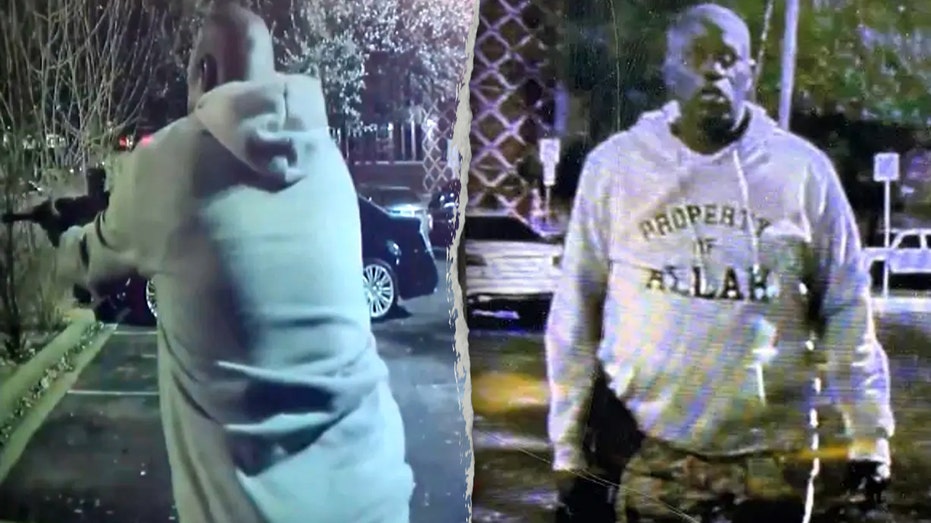
Ndiaga Diagne, 53, a naturalized U.S. citizen originally from Senegal, was named by law enforcement sources as the suspect in the early morning shooting outside Buford’s Backyard Beer Garden. Investigators say they are still working to determine motive, though officials have pointed to personal items recovered from his home and vehicle — including imagery connected to Iranian leadership and religious materials — as part of their ongoing inquiry.
While facts are still emerging, previously undisclosed court documents reveal that Diagne had prior contact with the criminal legal system — and ultimately avoided a felony conviction in a 2022 case.
A Prior Case Reduced and Dismissed
According to public records, Diagne was initially charged with a felony for allegedly failing to stop and render aid after a December 5, 2022 crash in Washington County, Texas. The charge stemmed from a collision in which he allegedly merged into another lane, forcing another vehicle into a center median and multiple cable barriers.
The driver of the other vehicle reportedly told authorities that she saw Diagne changing lanes repeatedly before the crash and claimed he continued driving afterward. Law enforcement later located him using license plate reader technology.
When approached at his home, Diagne denied involvement and stated he had been en route to Houston to pick someone up from the airport. Investigators noted that his vehicle displayed damage consistent with the reported collision.
Instead of proceeding to trial on the felony charge, Diagne reached a plea agreement. He pleaded guilty to a reduced misdemeanor charge of accident involving vehicle damage. In January 2024, a Texas judge placed him on deferred adjudication probation — meaning no formal finding of guilt would be entered if he successfully completed the terms.
By July 2024, the misdemeanor charge was dismissed after he fulfilled those requirements.
The case underscores ongoing national debates about how the justice system balances second chances with public safety — and whether warning signs are sometimes missed.
Community Grief and Federal Investigation
The March 1 shooting claimed the lives of 21-year-old Savitha Shan, 19-year-old Ryder Harrington, and 30-year-old Jorge Pederson. Families and community members have been left grappling with unimaginable grief as investigators work to determine what led to the violence.
During a press briefing, FBI Acting Special Agent in Charge Alex Doran emphasized that authorities are carefully evaluating whether the attack may have connections to extremist ideology. While evidence recovered from the suspect’s clothing and vehicle is being examined, officials cautioned that it remains too early to draw definitive conclusions about motive.
The broader investigation now intersects with urgent national questions about hate, extremism, and access to deadly weapons. Advocates for gun reform note that yet another mass shooting has torn through a public gathering space — a bar filled with young people — highlighting the uniquely American crisis of unchecked gun violence.
A Larger Reckoning
This tragedy also lands amid difficult conversations about how communities identify and respond to warning signs of violence without fueling xenophobia, religious discrimination, or collective blame. Civil rights advocates stress that entire communities must not be scapegoated for the alleged actions of one individual.
At the same time, public safety demands serious reflection. When prior criminal cases are negotiated down or dismissed, the assumption is that rehabilitation and compliance will follow. In many cases, that belief is justified and humane. But when devastating violence occurs afterward, communities understandably ask what more could have been done.
Austin now joins a long list of American cities forced to bury loved ones after a night meant for joy turned into horror. As the investigation continues, the focus remains where it belongs: on justice for the victims, support for the wounded, and a deeper commitment to confronting violence in all its forms — without sacrificing the democratic values that bind us together.